Recognizing the Risk Factors for Acute Ischemic Stroke
An ischemic stroke is a true emergency, but many of its biggest risk factors are manageable. Here is what to watch for and how to protect yourself in Jacksonville, FL.
A stroke can change a life in a matter of minutes, but the encouraging news is that many of the factors that raise your risk are things you can influence. At Reliance Primary & Urgent Care in Jacksonville, FL, we spend a lot of time helping patients manage the conditions that lead to stroke. Just as important, we want everyone in our community to recognize the warning signs, because when a stroke is happening, every second counts.
What Is an Acute Ischemic Stroke?
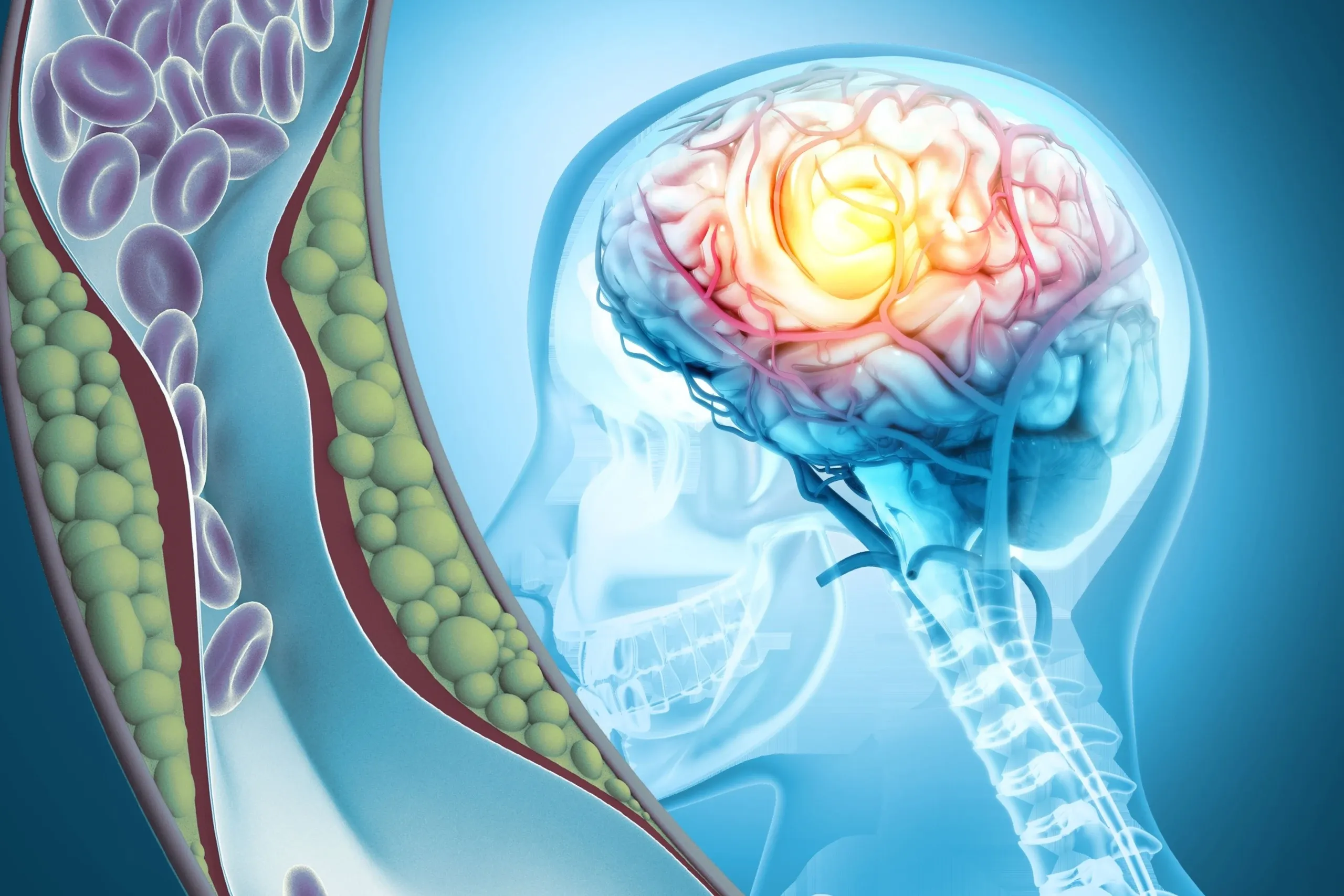
An ischemic stroke happens when a blood clot or narrowed artery blocks blood flow to part of the brain. Without oxygen-rich blood, brain cells begin to die within minutes. This is the most common type of stroke, and it is always a medical emergency. The faster blood flow is restored, the better the chances of limiting lasting damage, which is why recognizing the signs and calling 911 immediately is so critical.
Recognize the Signs: Think FAST
The simplest way to spot a stroke is the FAST checklist. If you notice any of these signs in yourself or someone else, do not wait and do not drive to the hospital yourself.
- F — Face drooping. One side of the face droops or feels numb; the smile looks uneven.
- A — Arm weakness. One arm is weak or numb and drifts downward when both are raised.
- S — Speech difficulty. Speech is slurred, hard to understand, or the person cannot speak at all.
- T — Time to call 911. If any of these signs appear, call 911 right away, even if they seem to fade.
Other warning signs include sudden confusion, trouble seeing, dizziness, loss of balance, or a severe headache with no known cause. Reliance is not an emergency room. A suspected stroke needs the resources of a hospital ER, so call 911 immediately.
Risk Factors You Cannot Change
Some risk factors are simply part of who you are, and knowing them helps you and your doctor stay vigilant.
- Age. Stroke risk rises as you get older, though strokes can happen at any age.
- Sex. Stroke patterns differ between men and women across the lifespan.
- Family history and genetics. A family history of stroke or certain inherited conditions can raise your risk.
Risk Factors You Can Manage
This is where prevention really lives. Most of the leading contributors to ischemic stroke are conditions we can help you monitor and control over time.
High Blood Pressure
Hypertension is the single most important modifiable risk factor for stroke. Because it often has no symptoms, regular checks matter. Working on your numbers through lifestyle and, when needed, medication makes a real difference. Our team can help you keep tabs on your readings through ongoing high blood pressure management in Jacksonville, FL.
Diabetes and High Cholesterol
Poorly controlled blood sugar damages blood vessels over time, and high cholesterol contributes to the plaque buildup that narrows arteries. Managing diabetes and high cholesterol together lowers your overall stroke risk considerably.
Heart Disease and Smoking
Certain heart conditions, including irregular rhythms, can send clots toward the brain, so caring for your heart is part of caring for your brain. Smoking damages blood vessels and thickens the blood, and quitting is one of the most powerful steps you can take. We support patients with heart disease as part of a full prevention plan.
Physical Inactivity
A sedentary lifestyle contributes to high blood pressure, weight gain, diabetes, and high cholesterol all at once. Regular movement, even a daily walk, helps address several risk factors together.
How Prevention Works at Reliance
Stroke prevention is not a single test; it is an ongoing relationship. During routine visits we can check your blood pressure, review your cholesterol and blood sugar, and use tools like an in-office EKG to look at your heart rhythm when appropriate. If we spot something that needs a specialist, we coordinate that referral. The goal is to catch problems early and keep the manageable risk factors well managed.
Frequently Asked Questions
What is the difference between a stroke and a TIA?
A transient ischemic attack, or TIA, causes stroke-like symptoms that resolve, often within minutes. It is sometimes called a warning stroke and should never be ignored, because it signals a high risk of a full stroke soon. Call 911 for any stroke symptoms, even brief ones.
Can I lower my stroke risk even if it runs in my family?
Yes. While you cannot change your genetics, managing blood pressure, cholesterol, blood sugar, weight, and smoking can meaningfully reduce your overall risk. A family history is a reason to be proactive, not to give up.
Should I go to urgent care if I think I am having a stroke?
No. A suspected stroke is a 911 emergency and requires a hospital ER, not urgent care. Time-sensitive treatments are only available at a hospital. Call 911 immediately.
How often should I have my blood pressure checked?
It depends on your readings and health history. Many adults benefit from regular checks, and if you have hypertension or other risk factors, more frequent monitoring is wise. Your primary care doctor can recommend a schedule that fits you.
Protect Your Brain Health in Jacksonville, FL
The best time to think about stroke is before one ever happens. At Reliance Primary & Urgent Care, we offer transparent self-pay pricing with no insurance required to help you manage blood pressure, cholesterol, diabetes, and heart health here in Jacksonville, FL. To learn more about stroke prevention, the CDC offers a clear overview at the CDC stroke resource, and the American Heart Association explains warning signs at stroke.org. Schedule a prevention-focused visit with us today. And remember: if you or someone near you shows any sign of a stroke, this is always an emergency. Do not come to our clinic. Call 911 or go to the nearest ER right away.