A Closer Look at Cardiac Dysrhythmias (Arrhythmias)
A skipped beat or racing heart can be harmless or a warning sign. Learn how arrhythmias work and how an in-office EKG can help in Jacksonville, FL.
Most of us feel our heart flutter or pound at some point, whether from caffeine, stress, or a hard workout. Usually it is nothing to worry about, but sometimes an irregular heartbeat signals a condition that deserves attention. At Reliance Primary & Urgent Care in Jacksonville, FL, we help patients understand these heart rhythm changes, evaluate them with an in-office EKG, and coordinate specialist care when it is needed.
What Are Cardiac Arrhythmias?
An arrhythmia, also called a cardiac dysrhythmia, is any abnormality in the heart's rhythm. Your heart relies on precisely timed electrical signals to beat in a steady, coordinated way. When those signals fire too fast, too slow, or erratically, the result is an arrhythmia. Some are completely harmless, while others can affect how well the heart pumps blood or raise the risk of serious complications. Knowing the difference is where medical evaluation comes in.
Common Types of Arrhythmias
There are many kinds of arrhythmias, but a few come up often.
- Atrial fibrillation (AFib). The upper chambers beat irregularly and often quickly. AFib is important because it can raise the risk of stroke, so it needs proper management.
- Bradycardia. A slower-than-normal heart rate, which can be normal in very fit people but concerning if it causes fatigue or dizziness.
- Supraventricular tachycardia (SVT). Episodes of a rapid heartbeat that start above the heart's lower chambers.
- Ventricular tachycardia and fibrillation. Fast, disorganized rhythms in the lower chambers that are serious and can be life-threatening emergencies.
What Causes Arrhythmias?
Arrhythmias can develop for many reasons, and often several factors overlap.
- Underlying heart disease or a previous heart attack
- High blood pressure, which strains the heart over time
- Aging, as the heart's electrical system changes with the years
- Genetics and family history
- Thyroid problems, certain medications, alcohol, and stimulants
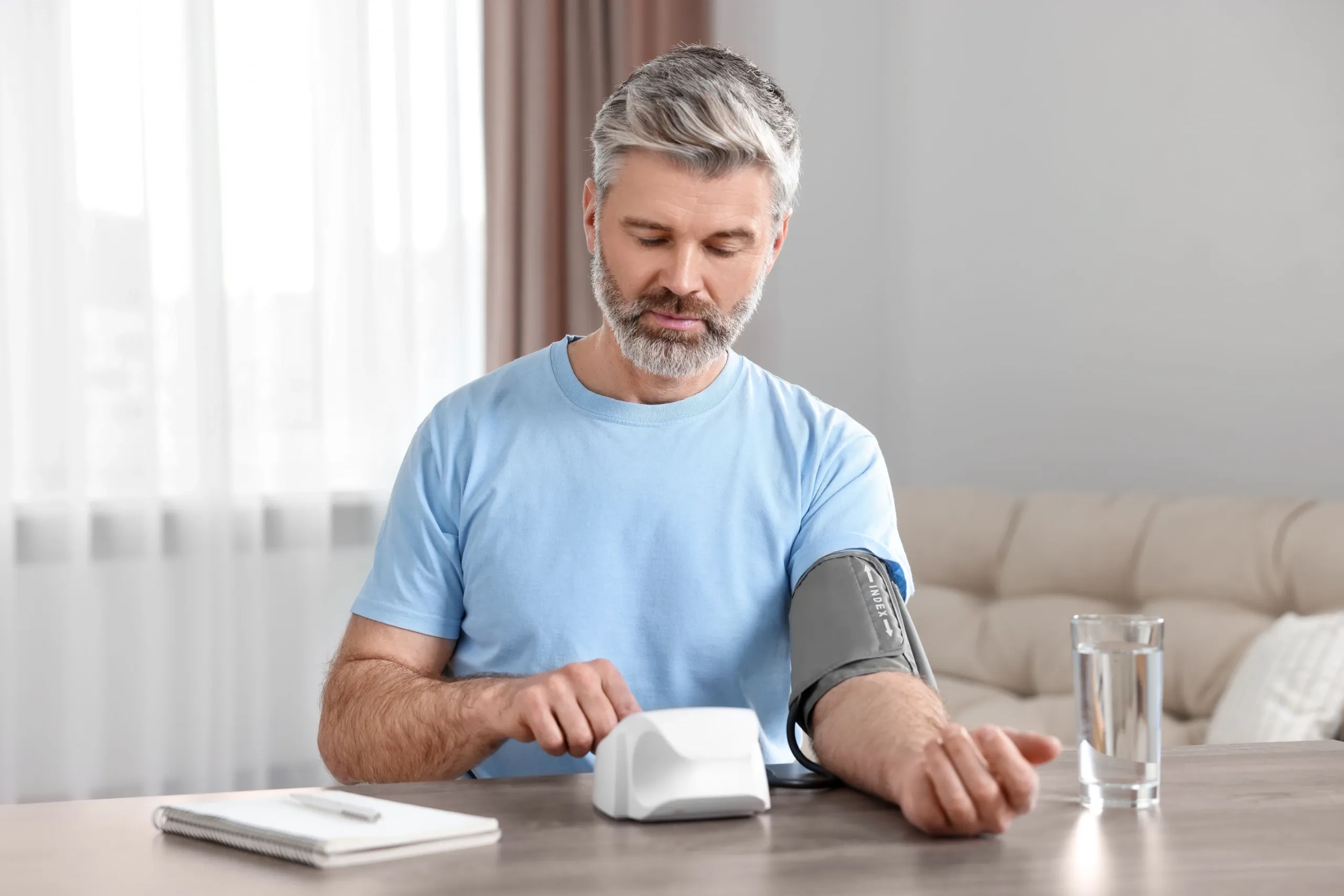
Because high blood pressure and heart disease are such common contributors, managing them is a key part of protecting your heart rhythm. We help patients stay on top of high blood pressure and heart disease as part of long-term care.
Symptoms to Watch For
Some arrhythmias cause no symptoms at all and are found by chance. When symptoms do occur, they may include:
- Palpitations, or the feeling of a racing, fluttering, or pounding heart
- Fatigue or weakness
- Dizziness or lightheadedness
- Fainting or near-fainting
- Chest discomfort or shortness of breath
Symptoms like fainting or chest discomfort should never be brushed off, because they can point to a more serious rhythm problem.
How an EKG Helps
An electrocardiogram, or EKG, is a quick, painless test that records your heart's electrical activity. It is one of the most useful tools for detecting arrhythmias, because it can capture an abnormal rhythm and give clues about its type. In our office, an EKG in Jacksonville, FL can be done during a visit to evaluate palpitations or other symptoms. If your rhythm changes come and go, a specialist may recommend longer monitoring, and we can help arrange that as well.
Treatment and the Role of Cardiology
Treatment depends entirely on the type and severity of the arrhythmia. Options that cardiologists may use include medications to control rate or rhythm, cardioversion to reset the heart, catheter ablation to correct the source of the problem, and implantable devices such as pacemakers or defibrillators for certain conditions. As your primary care team, our role is to identify a possible arrhythmia, begin appropriate evaluation, manage the risk factors like blood pressure and heart disease, and connect you with a cardiologist when specialized treatment is needed. Ongoing chronic disease management helps keep all of this coordinated over time.
When It Is an Emergency
Some heart rhythm problems are true emergencies. Reliance is not an emergency room. Call 911 immediately if you have chest pain or pressure, faint or pass out, have severe shortness of breath, or feel a sudden, sustained racing heartbeat with dizziness. These can be signs of a dangerous arrhythmia or a heart attack, and they require emergency care at a hospital, not an office visit. When in doubt about serious heart symptoms, call 911.
Frequently Asked Questions
Are heart palpitations always dangerous?
No. Palpitations are often harmless and triggered by caffeine, stress, exercise, or dehydration. However, if they are frequent, prolonged, or come with dizziness, fainting, or chest pain, they should be evaluated by a doctor.
Can an EKG detect every arrhythmia?
An EKG captures your heart rhythm at the moment of the test, so it is excellent for arrhythmias that are present then. For rhythm problems that come and go, longer monitoring with a wearable device may be needed to catch an episode.
Why does atrial fibrillation raise stroke risk?
In AFib, the irregular beating can allow blood to pool and form clots in the heart. If a clot travels to the brain, it can cause a stroke. This is why AFib is managed carefully, often including treatment to reduce clot risk.
Can lifestyle changes help with arrhythmias?
Often, yes. Managing blood pressure, limiting alcohol and stimulants, staying active, and treating conditions like thyroid problems can reduce some arrhythmias. Your doctor can tailor recommendations to your specific situation.
Care for Your Heart Rhythm in Jacksonville, FL
If you have noticed palpitations, dizziness, or other symptoms, the team at Reliance Primary & Urgent Care can evaluate your heart with an in-office EKG and coordinate specialist care, all with transparent self-pay pricing and no insurance required in Jacksonville, FL. To learn more about arrhythmias, the American Heart Association offers a detailed overview at the American Heart Association arrhythmia resource. Schedule a visit with us today. And remember: if you have chest pain, fainting, or severe shortness of breath, this is an emergency. Call 911 or go to the nearest ER right away.